The 2026 Fan's Guide to College Football
College football in 2026 is a nationwide American gridiron season built around FBS conference play, weekly rankings, rivalry games, bowl season, and the College Football Playoff. Stadium View helps fa...
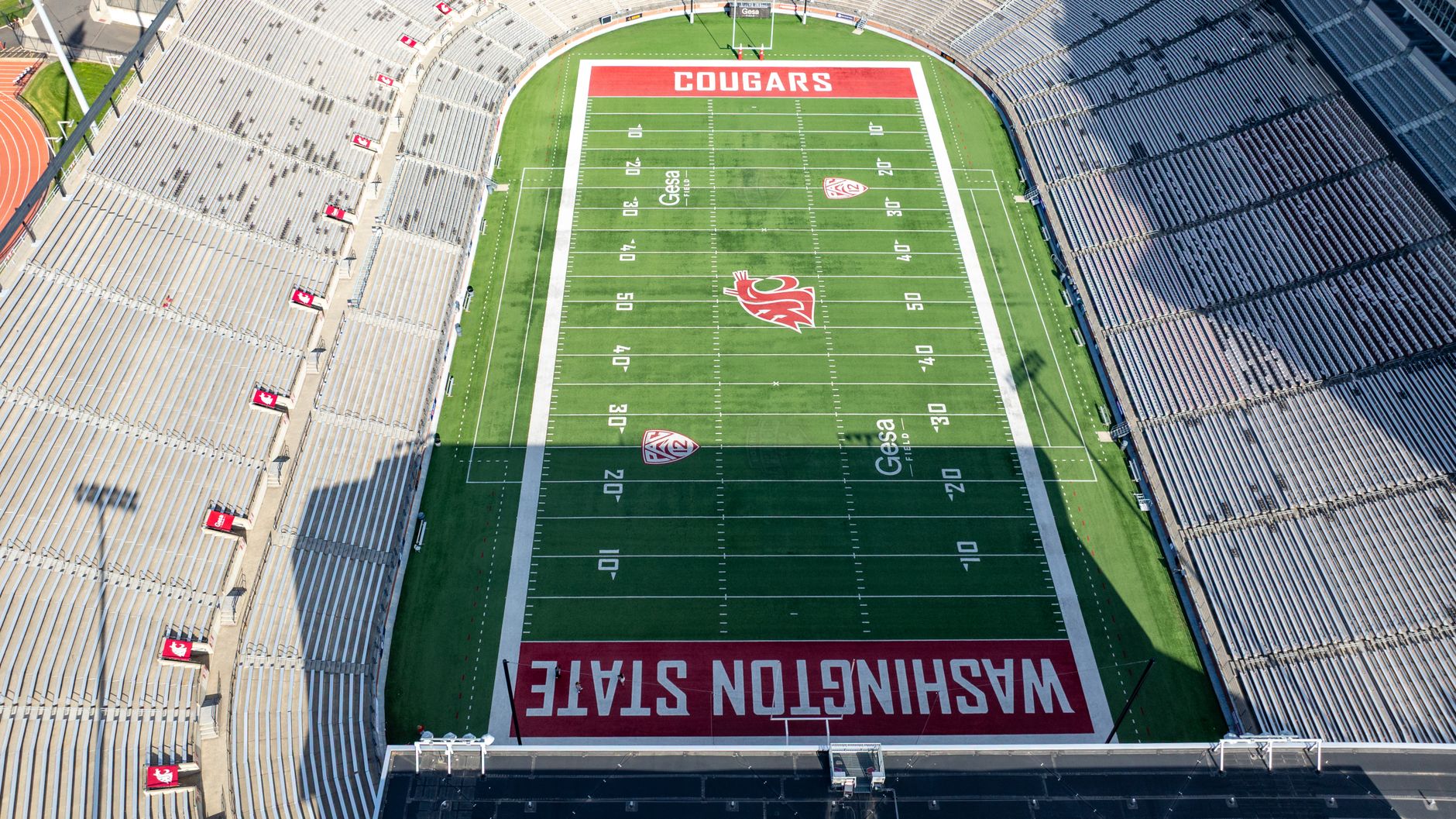
The 2026 Fan's Guide to College Football
College football in 2026 is a nationwide American gridiron season built around FBS conference play, weekly rankings, rivalry games, bowl season, and the College Football Playoff. Stadium View helps fans in the United States and global betting markets follow college football with schedule context, matchup angles, team tactics, player trends, and responsible odds analysis. The 2026 regular season opens across late August and early September, includes Week 1 games such as North Carolina vs. TCU in Dublin and San José State at USC in Los Angeles, and moves toward bowl season from December 13 to January 27. The CFP National Championship is scheduled for January 25, 2027, at Allegiant Stadium in Las Vegas, Nevada. Use the schedule first, then compare rankings, injuries, travel, and market movement before making any college football prediction.
Imagine planning your Saturday around college football and realizing the best edge is not simply knowing who plays, but understanding why a matchup looks different at noon in Dublin, under the lights at the Los Angeles Memorial Coliseum, or inside the Fargodome. The 2026 college football season will reward fans who combine the basics from the NCAA, historical context from Wikipedia, and live schedule structure from ESPN with sharper judgment. This guide answers one practical question: how should a serious fan follow college football in 2026 without drowning in rankings, odds, and weekly noise?
Want a sharper way to follow the season from kickoff to the CFP?
Photo by Eric Lozaga on Pexels
If you are new to college football: do you start with the schedule?
Yes, start with the schedule because college football is organized by weeks, conferences, rankings, and postseason access. In 2026, Week 1 runs from late August into early September, while bowl and CFP windows stretch from mid-December through January 27.
The first mistake many new fans make is treating college football like the NFL, where structure feels more centralized and predictable. College football has FBS, FCS, Division II, Division III, conference schedules, independent teams, bowl eligibility, rankings, and playoff implications that change every week. The FBS calendar on ESPN lists weekly windows from Week 1 through Week 15, then bowls and the CFP, which means your viewing plan should begin with dates before it begins with opinions. If you are following North Carolina vs. TCU in Dublin, USC at the Los Angeles Memorial Coliseum, or NC State at Virginia, the location and timing matter before the logo does.
A practical weekly workflow is simple. First, identify the week and conference slate. Second, note kickoff time, TV network, location, and travel spot. Third, check whether the game affects rankings, bowl eligibility, conference title races, or College Football Playoff positioning. Fourth, compare opening lines with later market movement, but never treat odds as a prediction by themselves. Stadium View uses a similar approach for FIFA World Cup coverage, where fixture context, travel, tactics, and player availability often explain more than reputation alone. For college football, that mindset works especially well because a 12-team rhythm can change quickly after one upset, one quarterback injury, or one weather-affected road trip. To build the basics, bookmark our [Internal Link: beginner college football schedule guide].
If you follow rankings and headlines: do you trust the Top 25 immediately?
No, early Top 25 rankings should be treated as informed estimates, not final truths. In January and August 2026, “way-too-early” rankings can highlight returning quarterbacks, transfers, and coaching stability, but September results should carry more weight than preseason reputation.
The NCAA’s FBS coverage often highlights rankings, Heisman Trophy contenders, College Football Playoff storylines, and championship history, but a knowledgeable fan should separate signal from hype. For example, Indiana winning a national title in program history would instantly reshape perception, yet the next season still depends on roster retention, coordinator continuity, portal additions, and schedule difficulty. A ranking is useful because it tells you what the market and media expect. It becomes dangerous when you assume it already tells you who is better on a neutral field in October.
Here is the candid rule I recommend: give preseason rankings 30 percent weight in Weeks 1 and 2, then reduce that weight every week as real data arrives. By Week 5, efficiency numbers, drive success rate, explosive play prevention, red-zone finishing, and quarterback pressure rate usually matter more than brand name. A team such as USC may carry a large point spread against San José State, but the useful question is whether USC’s offensive line, defensive rotation, and second-half substitution pattern justify that number. Fans who only read headlines miss the quiet edges that appear in possession count, pace, and special teams. For deeper tactical reading, use our [Internal Link: college football rankings and betting context].
See how smarter context can turn weekly headlines into better reads.
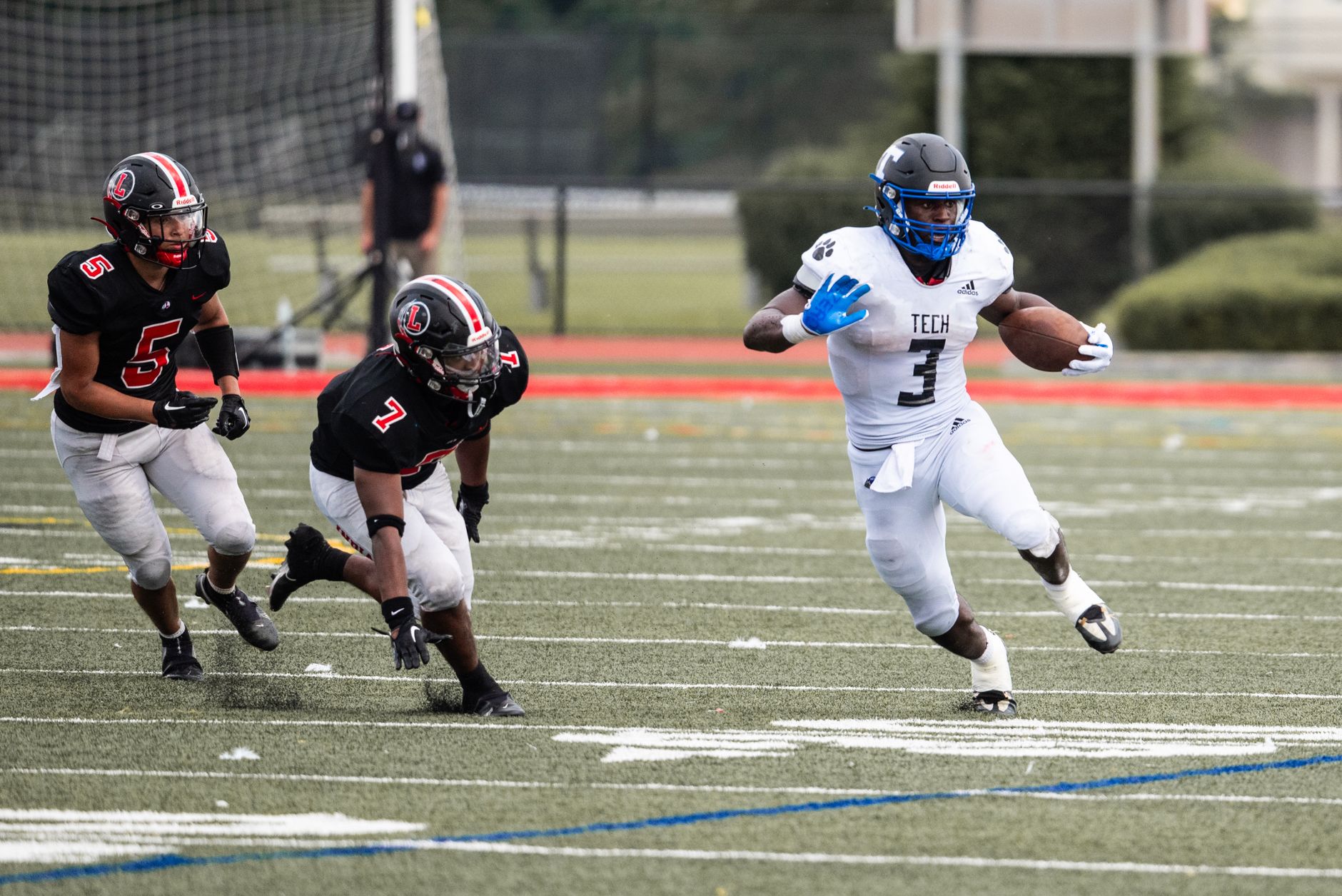
Photo by Hawk i i on Pexels
If you compare odds and predictions: how should you read the betting market?
Read college football odds as a probability signal, not as a guarantee. A spread such as TCU -6.5 or USC -35.5 reflects market expectations, roster news, matchup perception, and betting volume, but it does not explain the full football reason behind the number.
This is where many gambling-focused articles become too shallow. They tell you the line, the total, and a pick, then move on. A better review asks why the number exists and what would have to be true for it to be wrong. If TCU is favored by 6.5 against North Carolina in Dublin, you should ask about international travel, time-zone adjustment, early-season offensive timing, and whether either team is replacing key trench players. If USC is favored by more than five touchdowns against San José State, the question is not simply whether USC is better; it is whether USC will keep starters active long enough to cover a large spread.
Two less-obvious edges matter in 2026. First, neutral-site and international openers can distort totals because teams often simplify offensive packages early, especially when travel routines are unusual. Second, FBS vs. FCS games can create pricing gaps because public bettors recognize the FBS logo but underestimate strong FCS programs such as North Dakota State at the Fargodome. That does not mean blindly backing underdogs; it means you should price game environment, motivation, and depth chart rotation before reacting to a number. If you bet, use regulated sportsbooks, set limits, and remember that even a strong analysis can lose on turnovers or special teams variance.
If you want to watch smarter: do you focus on teams, players, or conferences?
Focus on all three, but prioritize the matchup layer first. Teams reveal identity, players create leverage, and conferences shape schedule difficulty, yet the decisive edge usually appears where one team’s strength directly attacks another team’s weakness.
The best college football viewing habit is to create a simple pregame card. List each team’s offensive identity, defensive vulnerability, quarterback experience, line play, recent injuries, and special teams reliability. Then add conference context: SEC, Big Ten, Big 12, ACC, American, Mountain West, Sun Belt, MAC, Conference USA, Pac-12, FBS Independents, and FCS leagues all produce different week-to-week challenges. A 9-3 record in one conference may not equal a 9-3 record in another, especially when travel, depth, and defensive speed vary.
Use this checklist before major 2026 games:
- Confirm kickoff time, TV network, stadium, and weather.
- Compare both teams’ offensive pace and third-down profile.
- Check quarterback availability and offensive line continuity.
- Review travel distance, short-week spots, and rivalry motivation.
- Watch whether the point spread moved because of news or public money.
- Reassess after the first two drives rather than forcing a pregame opinion.
The “why” behind this method is simple: college football has more roster volatility than professional leagues. Transfer portal movement, freshman contributors, coaching changes, and uneven nonconference scheduling can all hide a team’s real level until late September. A serious fan does not need 40 statistics per game; they need the right eight to ten signals, reviewed consistently. To compare football analysis styles across sports, see Stadium View’s [Internal Link: match prediction framework for major tournaments].
Ready to turn your watchlist into a weekly strategy?

Photo by Pixabay on Pexels
Common pitfalls to avoid
The biggest pitfall is confusing information with insight. A fan can read the ESPN schedule, scan NCAA headlines, check Wikipedia for college football history, and still miss the actual matchup if they never ask what the data means. College football rewards context because teams are not static products. A September version of Ohio State, Oregon, Notre Dame, Miami, Indiana, Alabama State, or TCU may look different from its November version due to injuries, transfers, confidence, and schematic changes.
Avoid these common errors:
- Betting only because a team is ranked.
- Ignoring travel spots such as Dublin, Ireland, or long cross-country road games.
- Treating a large spread as automatic value on either side.
- Overreacting to one highlight clip or one viral quarterback throw.
- Forgetting that bowl motivation can differ sharply by team.
- Assuming FCS teams are always outclassed by FBS opponents.
- Following public narratives without checking depth charts.
One institutional point matters: the NCAA describes FBS football through championship events, rankings, stats, and official postseason coverage, while ESPN structures the fan experience through weekly schedules, TV listings, locations, tickets, and odds. Neither source alone gives you a complete prediction model. The smarter approach is to combine official data, market context, and football reasoning. As a shorthand, I use the “three-screen test”: one screen for schedule, one for team news, and one for odds movement. If all three agree, confidence rises; if they conflict, slow down.
The 30-day check-in
After 30 days of the 2026 college football season, you should reset your assumptions. By then, most teams have played enough snaps to reveal offensive identity, defensive flaws, quarterback trust, and coaching tendencies. This is the moment to stop leaning heavily on preseason polls and start building your own tier list.
A practical 30-day review should include five categories. First, evaluate results against opponent quality, not just win-loss record. Second, compare offensive efficiency with red-zone performance because explosive teams can still stall near the goal line. Third, review defensive pressure without blitzing, which often predicts sustainability better than sack totals alone. Fourth, identify teams whose lines have moved dramatically from Week 1 to Week 5. Fifth, note which coaches are adjusting well after halftime. This review-style process is more honest than forcing weekly hot takes, and it mirrors how serious analysts prepare for the College Football Playoff race.
The contrarian conclusion is that September losses are not always damaging if they expose fixable flaws against strong opponents. A narrow road loss at Virginia, a neutral-site struggle in Dublin, or an ugly first half at the Fargodome may teach more than a 52-7 win over an overmatched opponent. By October, the best fans are no longer asking, “Who is ranked?” They are asking, “Who is improving, who is healthy, and who is being mispriced?” That is the difference between casual viewing and informed college football analysis. For a deeper seasonal tracker, save our [Internal Link: 2026 college football playoff race tracker].

Photo by RDNE Stock project on Pexels
College football in 2026 will be loud, emotional, and unpredictable, but it does not have to be confusing. Start with the schedule, respect rankings without obeying them, study the matchup before the market, and run a 30-day reset before trusting your preseason beliefs. Stadium View is built for fans who want that same disciplined approach across football, from the FIFA World Cup to major American college football Saturdays.
Get the next layer of analysis before the season turns chaotic.
Frequently Asked Questions
Q: What is college football?
A: College football is American or Canadian gridiron football played by university teams, most prominently in the NCAA system. In the United States, the highest-profile level is FBS, which includes major conferences, weekly rankings, bowl games, and the College Football Playoff. The 2026 season includes regular-season weeks from late August through early December, followed by bowls and CFP games into January 2027.
Q: How do I follow the 2026 college football schedule?
A: Start by checking weekly FBS schedules, kickoff times, TV networks, locations, and conference matchups. ESPN organizes the 2026 season by weeks, including Week 1, Week 15, bowl season, and the CFP window. After choosing games, review rankings, injuries, travel, weather, and odds movement before deciding which matchups deserve your attention.
Q: What is the difference between FBS and FCS college football?
A: FBS is the top NCAA football subdivision with larger programs, bowl games, and College Football Playoff access, while FCS has its own playoff structure and many smaller programs. However, strong FCS teams can still challenge FBS opponents, especially in difficult venues such as the Fargodome. Do not assume the FBS label alone guarantees an easy win.
Q: Is college football betting worth it for casual fans?
A: College football betting can add engagement, but it is only worth considering if you use disciplined limits and understand the risks. Large spreads, early-season uncertainty, injuries, and roster turnover make college football more volatile than many casual bettors expect. Treat odds as market information, not certainty, and bet only through regulated operators where legal.
Q: Why do college football rankings change so much?
A: Rankings change because teams reveal new information every week through wins, losses, injuries, opponent quality, and performance trends. Preseason rankings often rely on returning production, recruiting, coaching reputation, and media expectations. By late September or early October, real efficiency data usually becomes more reliable than summer projections.
Q: How much does it cost to attend a college football game?
A: Ticket prices vary widely by team, opponent, stadium, and demand, with some early listings showing seats as low as around $32 to $52 for selected games. Major rivalry games, ranked matchups, and CFP contests can cost far more. Fans should also budget for parking, travel, food, and possible hotel costs near venues such as Allegiant Stadium in Las Vegas.
Q: What should I do if my college football prediction fails?
A: Review whether the prediction failed because of bad reasoning or normal variance. Turnovers, missed field goals, weather, and late substitutions can break even a well-researched pick, while ignoring injuries or travel spots suggests a process problem. Keep notes for 30 days, adjust your weighting, and avoid chasing losses after one bad result.
Thank you for reading.
Stadium View
High-Stakes Editorial · Premium Insights