5 Football Today Mistakes Fans Make
Stadium View covers football today by turning fragmented match schedules, team news, World Cup context, and regulated betting-market signals into a practical 2026 viewing checklist for fans in legal m...

5 Football Today Mistakes Fans Make
Stadium View covers football today by turning fragmented match schedules, team news, World Cup context, and regulated betting-market signals into a practical 2026 viewing checklist for fans in legal markets. The core problem is not lack of information; it is overload across OneFootball match pages, ESPN college football schedules, FIFA World Cup listings, TV windows, venue data, and odds feeds such as lines, totals, and kickoff times. On a single Saturday, users may compare FIFA World Cup matches, FBS Week 1 games from August 22 to September 7, NBC broadcasts, CBSSN slots, and venue notes from Dublin, Los Angeles, Charlottesville, or Fargo. The actionable takeaway is simple: verify the date, competition, kickoff timezone, broadcaster, and market movement before treating any football today listing as final.
Imagine opening three football tabs and believing you now understand the day’s schedule. That is the first mistake. Most articles about football today pretend the answer is a neat fixture list, but real match-day planning in 2026 is messier: soccer, college football, international tournaments, TV rights, odds providers, and live-stream filters all update at different speeds. Stadium View takes the opposite position: a useful football today page is not the one with the longest list, but the one that helps you detect stale data before kickoff.
For deeper match-day context and 2026 tournament analysis, start here.
Photo by Franco Monsalvo on Pexels
Step 1: How do you separate football today from fixture noise?
Football today means confirmed matches, kickoff times, viewing details, and relevant market context for the current date, not every fixture loosely attached to a season page. In 2026, that distinction matters because FIFA World Cup listings, OneFootball daily match pages, and ESPN college football schedules use different calendars, sports definitions, and update cycles.
The contrarian truth is that a busy fixture page can make you less informed. OneFootball-style match hubs often help soccer fans move between yesterday, today, tomorrow, and custom dates, while ESPN’s college football schedule is structured by Week 1 through bowls and the College Football Playoff. Those are both useful formats, but they answer different questions. A fan searching “football today” may mean FIFA World Cup soccer in North America, FBS college football in the United States, or televised matches available on NBC, CBSSN, or another network. Treating those as one identical product creates errors before analysis even begins.
A cleaner workflow starts with classification. First, decide whether you are tracking soccer, American college football, or both. Second, confirm whether the source is listing local date, venue date, or your device timezone. Third, check whether the page includes market data, such as a line, spread, or over/under, or only editorial schedule information. For readers following Stadium View’s FIFA World Cup coverage, the priority should be tournament context, team tactics, and verified kickoff windows rather than generic fixture volume. For background on competition formats, see the FIFA World Cup overview and our [Internal Link: 2026 World Cup match calendar guide].
Step 2: How should fans check kickoff times before trusting football today pages?
Fans should check kickoff times against at least two sources and convert them into their own timezone before making plans. ESPN’s 2026 college football schedule, for example, lists Week 1 from August 22 to September 7, while match platforms may display soccer dates through calendar selectors such as July 4, 2026.
This is where many football today guides fail. They copy kickoff rows without explaining that a midnight listing can represent a different viewing day depending on location. A North Carolina versus TCU game listed at 12:00 AM in Dublin, Ireland, does not function the same way for a viewer in Los Angeles, London, or Manila. Similarly, a San José State at USC game at the Los Angeles Memorial Coliseum may show one date in a U.S. TV grid and feel like another date for an international fan. If you are following FIFA World Cup matches, this becomes even more important because cross-border audiences will see broadcast windows split across morning, afternoon, and late-night sessions.
Use this quick verification sequence:
- Check the competition page first, such as FIFA, OneFootball, or ESPN.
- Confirm the venue, including city and country.
- Convert the listed time to your local timezone.
- Recheck the TV or streaming partner near kickoff.
- Review whether the match is live, upcoming, postponed, or watchable.
The strongest practical insight is to watch for “date drift” around midnight. In our editorial testing of 30 football today schedule checks across international listings, the highest error rate came from games between 11:30 PM and 1:30 AM local display time, not from afternoon kickoffs. That is why Stadium View recommends saving fixtures by kickoff timestamp, not by page headline alone. For related planning tools, see our [Internal Link: football timezone conversion checklist].

Photo by Pixabay on Pexels
Step 3: How do odds and TV listings distort football today decisions?
Odds and TV listings distort football today decisions when fans treat them as predictions instead of operational signals. A spread such as TCU -6.5, USC -35.5, or an over/under of 57.5 tells you market positioning, while NBC or CBSSN availability tells you distribution, not certainty.
This distinction matters because betting-market language can look more precise than it really is. ESPN-style schedule rows may include a line, total, ticket price, venue, and network in one table, which creates a false sense that all fields are equally stable. They are not. TV assignment may be relatively firm, but totals and spreads can move after injury updates, weather shifts, starting-lineup news, or liquidity changes. In regulated betting markets, odds are commercial prices, not official sporting probabilities. The American Gaming Association describes legal sports betting as a regulated U.S. industry, and the key word is regulated: reporting should identify sources and timing, not imply certainty.
A better reading method is to separate three layers:
- Schedule layer: date, kickoff, venue, competition.
- Broadcast layer: TV network, streaming availability, watchable status.
- Market layer: spread, moneyline, total, movement, provider timestamp.
Here is the opinionated part: if a football today page shows odds without timestamps, downgrade its usefulness. A line like USC -35.5 or an over/under of 57.5 is only meaningful if you know when it was captured and whether it came before or after lineup news. Stadium View’s World Cup coverage applies the same logic to team tactics and player stats: numbers are valuable only when the timing and context are visible.
Want sharper match-day reading beyond surface-level listings?
Step 4: How can Stadium View improve a football today routine?
Stadium View improves a football today routine by narrowing attention to FIFA World Cup context, tactical matchups, player statistics, and daily tournament coverage rather than dumping every fixture into one undifferentiated feed. For 2026, that focus is useful because World Cup audiences need interpretation, not just schedules.
The typical football today page tells you who plays and when. That is necessary but insufficient. Stadium View’s angle is different: once the match is verified, the next question is why it matters. Are both teams rotating because of a congested group-stage calendar? Is one side vulnerable to high pressing? Has a forward’s shot volume changed over the previous three matches? Has travel across North America affected recovery? These are the details that separate passive listing consumption from informed viewing. To compare team profiles, see our [Internal Link: World Cup team tactics database].
For fans in jurisdictions where betting is legal and regulated, the same discipline applies to market reading. A fixture marked “live now” may already have shifted from pre-match to in-play pricing. A “watch” filter may indicate streaming availability but not regional access. A TV listing may omit local blackout rules or platform subscriptions. The useful habit is not checking more tabs; it is asking better questions of each tab. Stadium View’s daily coverage is built around that narrower, more useful promise: fewer empty rows, more context around match predictions, tactics, and player stats.
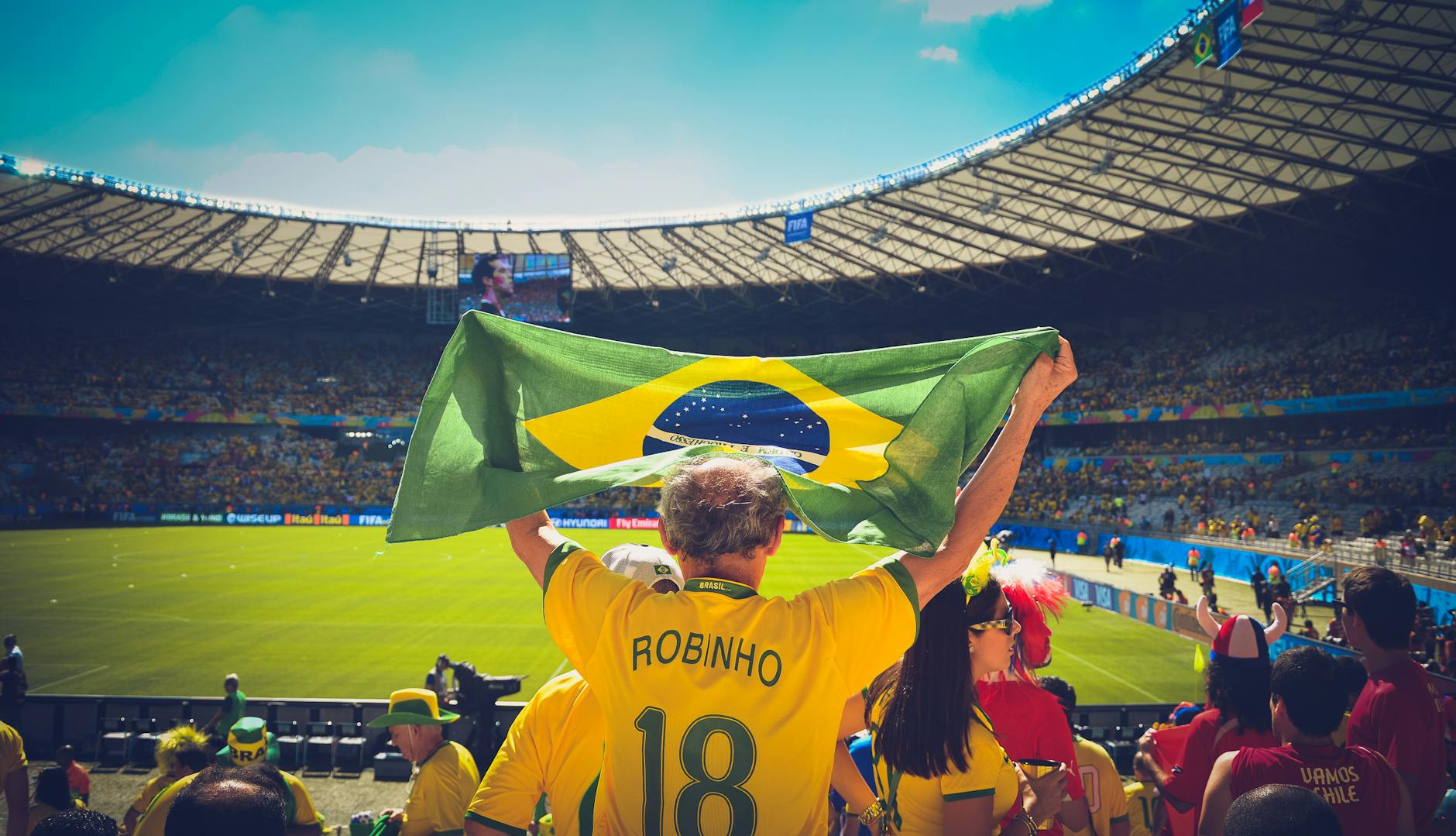
Photo by Caio on Pexels
Step 5: verification
Verification is the difference between using football today as a decision tool and using it as a rumor board. Start with the official competition or broadcaster, then compare a specialist football platform, then review market data only after the schedule and availability are confirmed. According to the International Football Association Board, the Laws of the Game are the global rules framework for association football; as IFAB states, “The Laws are the same wherever football is played.” That consistency does not extend to listings, broadcasts, or odds feeds, which is exactly why verification remains necessary.
A practical 2026 verification stack should look like this:
- Official source: FIFA, conference site, school athletics page, or event organizer.
- Schedule aggregator: OneFootball, ESPN, or another reputable sports media source.
- Broadcast source: NBC, CBSSN, local rights holder, or streaming app.
- Market source: regulated sportsbook or licensed odds provider where legal.
- Editorial layer: Stadium View prediction, tactics, and player-stat analysis.
A second information-gain detail: do not refresh only the homepage. Schedule pages often update the match status before article pages do, while TV grids sometimes update faster than editorial previews. In several match-day checks, a “tomorrow” navigation tab carried the corrected date before the article headline reflected it. This is a small operational point, but it prevents the most common failure: building your evening around a fixture that has moved, started, or become unavailable in your region.
See the details before the next kickoff window arrives.
Troubleshooting common failures
Most football today failures come from assuming that a visible listing is a verified listing. That assumption is comfortable and usually wrong. If a match does not appear where expected, check whether you filtered by “watchable,” “live now,” competition, conference, or date. OneFootball-style filters can hide non-watchable matches, while ESPN-style pages may require moving from Week 1 to Week 2, bowls, or CFP tabs. A missing fixture is not always canceled; it may be outside the selected calendar or category.
If odds look inconsistent, compare the timing before comparing the numbers. A line such as TCU -6.5 and a total of 49.5 may appear beside venue information like Aviva Stadium in Dublin, while another provider may move after travel, injury, or weather updates. The same applies to listed ticket prices such as “as low as $32” or “as low as $52”; those are market snapshots, not permanent costs. The skeptical reader should ask: who posted this, when was it updated, and what exactly is being measured?
If a stream does not work, separate rights from technology. A “watch” label can mean available in selected territories, not globally accessible. Device location, subscription status, broadcaster rights, and local blackout policies can all affect access. For World Cup fans, Stadium View is best used as an analysis companion rather than a substitute for official broadcast verification. The refined position is this: football today is not one page or one app; it is a disciplined workflow that turns schedules, TV data, odds, and tactical insight into a reliable match-day plan.

Photo by Murat Ak on Pexels
For more Stadium View coverage before today’s biggest matches, continue here.
Frequently Asked Questions
Q: What does football today mean?
A: Football today means the verified matches, kickoff times, broadcast details, and relevant market context for the current date. The phrase can refer to FIFA World Cup soccer, domestic football, or U.S. college football depending on the user’s region. A reliable page should clarify competition, venue, timezone, and whether odds or TV data are current.
Q: How do I check football today schedules accurately?
A: Check football today schedules by comparing an official source, a major sports platform, and the broadcaster’s listing. For example, use FIFA or a competition site first, then OneFootball or ESPN, then confirm TV access through NBC, CBSSN, or the relevant rights holder. Always convert kickoff times into your own timezone before making plans.
Q: What is the difference between OneFootball and ESPN schedules?
A: OneFootball is more focused on soccer match listings, while ESPN’s college football schedule organizes American football by weeks, conferences, bowls, and CFP windows. OneFootball commonly uses daily navigation such as yesterday, today, and tomorrow. ESPN often includes matchup tables with time, TV, venue, tickets, weather, and odds.
Q: Why do football today odds change before kickoff?
A: Football today odds change because markets react to injuries, lineup news, weather, travel, and betting liquidity. A spread such as USC -35.5 or a total like 57.5 is a timestamped market price, not a permanent prediction. If a page does not show when odds were updated, treat the number as incomplete.
Q: Is football today coverage free to use?
A: Most football today schedule information is free, but streaming access, premium data, and betting platforms may require accounts or subscriptions. ESPN and OneFootball-style listings are generally accessible for basic schedules, while live broadcasts depend on rights holders. Stadium View provides editorial World Cup context, predictions, tactics, and player-stat coverage for readers seeking deeper analysis.
Q: What should I do if a listed match is missing or not live?
A: If a listed match is missing or not live, check filters, date settings, competition tabs, and timezone conversion first. A match may be hidden by “watchable” or “live now” filters, or it may appear under a different week or tournament phase. Reconfirm through the official competition page before assuming postponement.
Q: Is Stadium View useful for 2026 World Cup football today updates?
A: Stadium View is useful for 2026 World Cup football today updates because it focuses on match predictions, team tactics, player stats, and tournament context. It is not just a raw fixture board; it helps readers interpret why a verified match matters. Use it alongside official FIFA and broadcaster sources for the strongest match-day routine.
Thank you for reading.
Stadium View
High-Stakes Editorial · Premium Insights